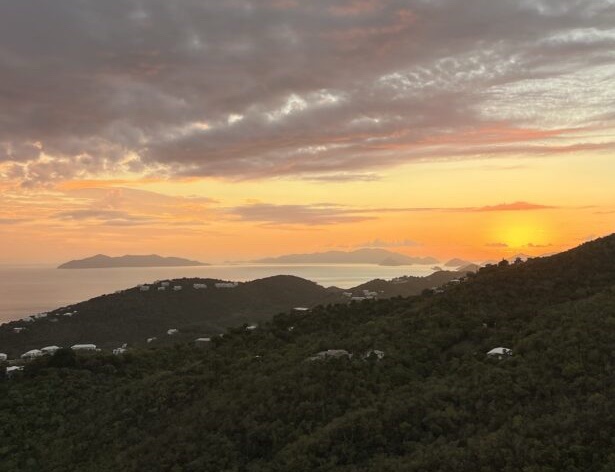
No, not the British ones.
No, it’s not in Virginia.
Okay, you visited on a family cruise at 7.
Yes, we have wifi.
No, we do not live in trees.
No, it’s not Jamaica.
We are a US territory… in the Caribbean.
Yet no one but us seems to know who we are.
Never quite belonging
The U.S. Virgin Islands has a complex geopolitical position.
On one hand, we are an unincorporated United States territory, whatever that means.
On the other hand, we are a Caribbean nation.
Despite these dual identities, it’s common for the US Virgin Islands to be excluded from both communities.
Americans view the territory as foreign and Caribbean nations view their neighbor as Americanized.
Too small to notice
Any non-native would struggle to identify the U.S. Virgin Islands on a world map.
The territory is literally a dot on the global stage.
It’s sad because while there it’s common to get caught in the bubble.
Ideas and messages resound much faster on the island, even when incorrect.
It can feel like you’re being examined if you’re ever lucky enough to be the booming topic of the local news cycle.
However, when we zoom out …
A victim of rape
Let’s be real. The U.S. Virgin Islands is currently a colony.
However, locals and non-locals feel that the island’s identity is overshadowed by the fact that they have absolutely no say.
Moreover, the terms of agreement have been unclear since they were established.
Nowadays, it’s common to hear anti-immigration sentiments about only supporting the “right” pathway to us citizenship.
The USVI was bought, much like many other US territories, and the descendants of native and African Americans in the United States.
What is the right way to give justice to a victim who had no say in their outcome? A choice and recognition are good places to start.