
How Capoeira Became a Bold Dance of Resistance and Survival
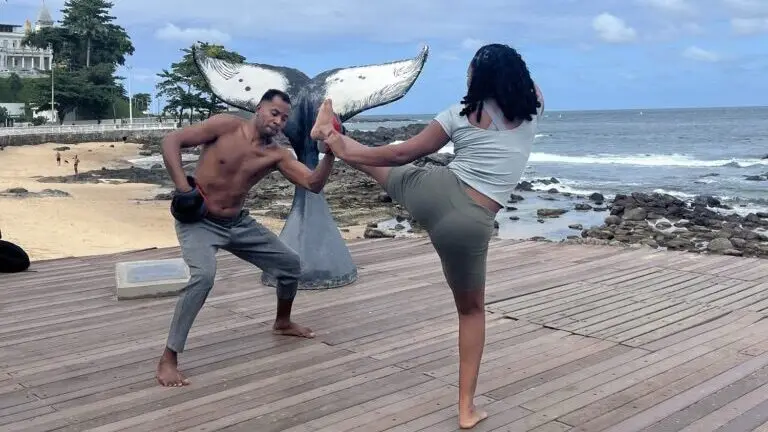
My favorite experience while in Brasil was taking a capoeira class. I remember seeing the art form for the first time on TV. When I saw it for the first time, I thought, ” It’s almost as if those people are gliding through the air.” But having taken a class, I’ve realised that capoeira is so much more than a beautiful dance—it’s a form of active resistance.
Origins of Capoeira
Slavery. It all stems back to slavery. While aboard the slave ships, enslaved people diligently practiced this art form as a means of defending themselves against the unknown. The low crouching movements in Capoeira originated from the limited space in the holds of slave ships, where enslaved people had no room to stand fully upright. The name ‘Capoeira’ is thought to mean ‘low-cut grass. How beautiful it is that my people have defied the odds in desperate need of survival.
Dance as an act of Resistance
I love movement, especially when it’s dance. Dancing is a beautiful way to communicate that which words cannot. It’s ironic, because Capoeira was a discreet method of preparing for war. Enslaved people had to secretly teach each other self-defense without alerting the slave masters. I think it’s beautiful that, embedded in Capoeira as a dance form, is the knowledge that one day those moves would have to be used for defense and protection.
Modern-day Uses for Capoeira
Now that chattel slavery has ended, capoeira has taken on a new outlook. People use capoeira for fitness, self-defense in martial arts, and, of course, dance. While roaming Salvador, it’s not uncommon to see two people dancing capoeira. It’s almost as if the language of the dance has taken on a new form, but we should never forget its origins — that being that dance was made as a form of protection. We need to dance.