
Travel During Wartime
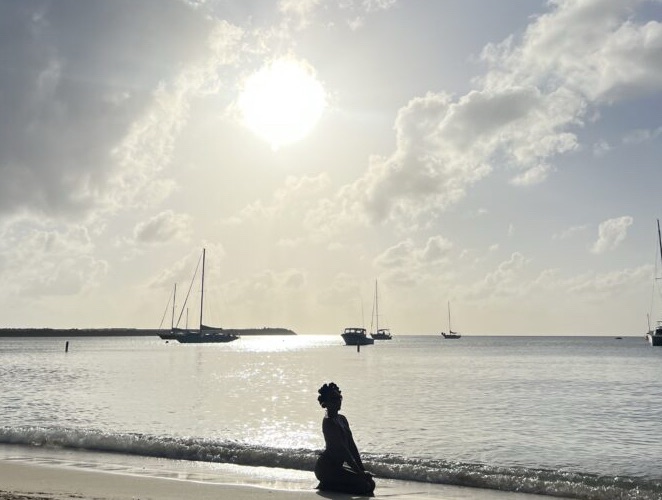
Current global events have me in a doozy. From countless tragedies to the present war. There was always war, but it has evolved—just as travel has. The way both travel and war intersect throughout history is profound. Here’s what I’ve been observing.
Travel for Survival During War
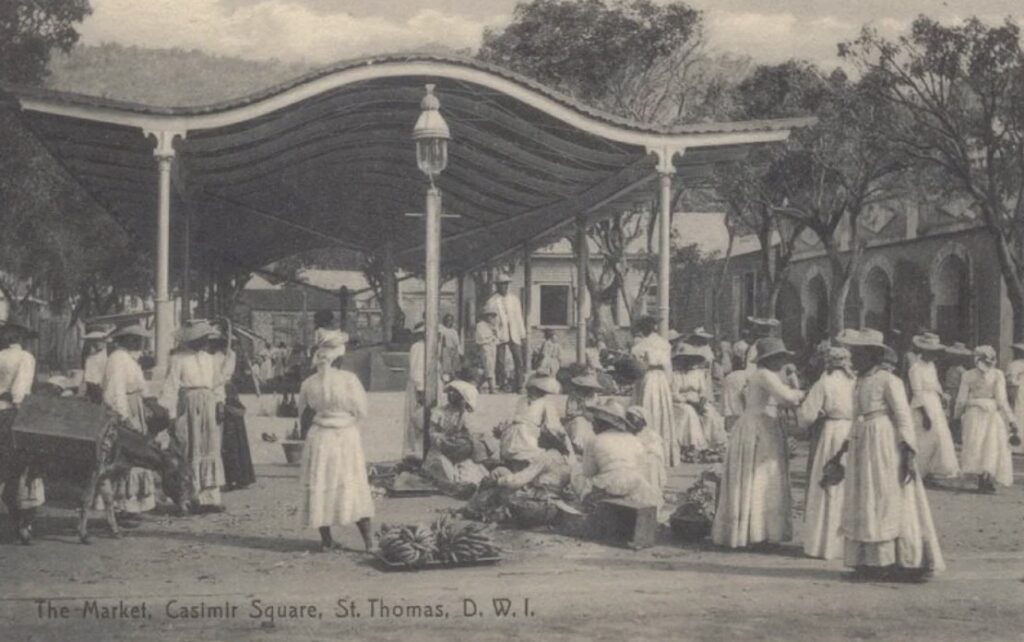
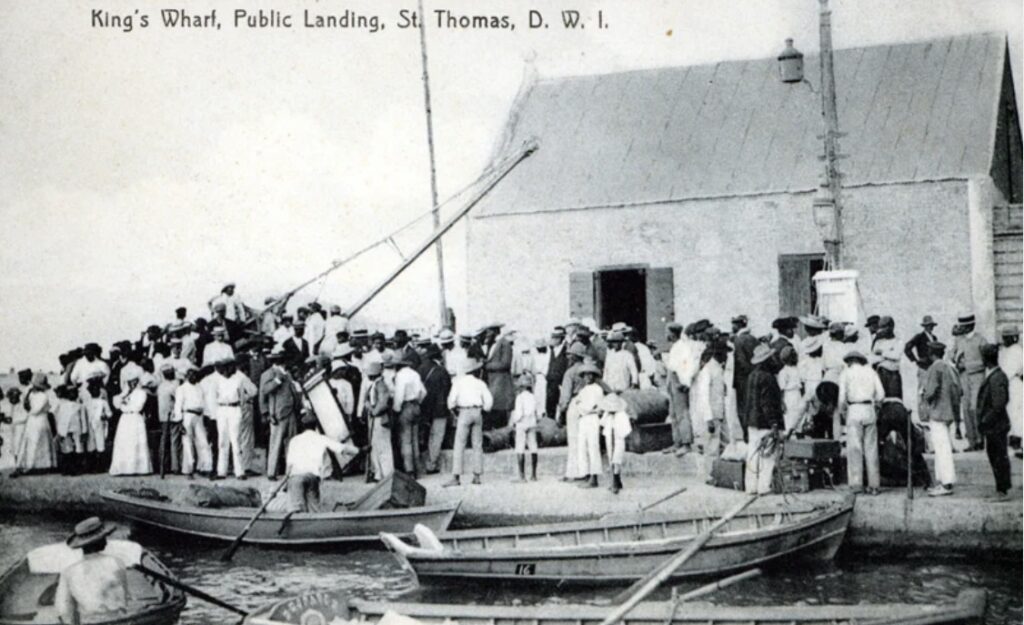
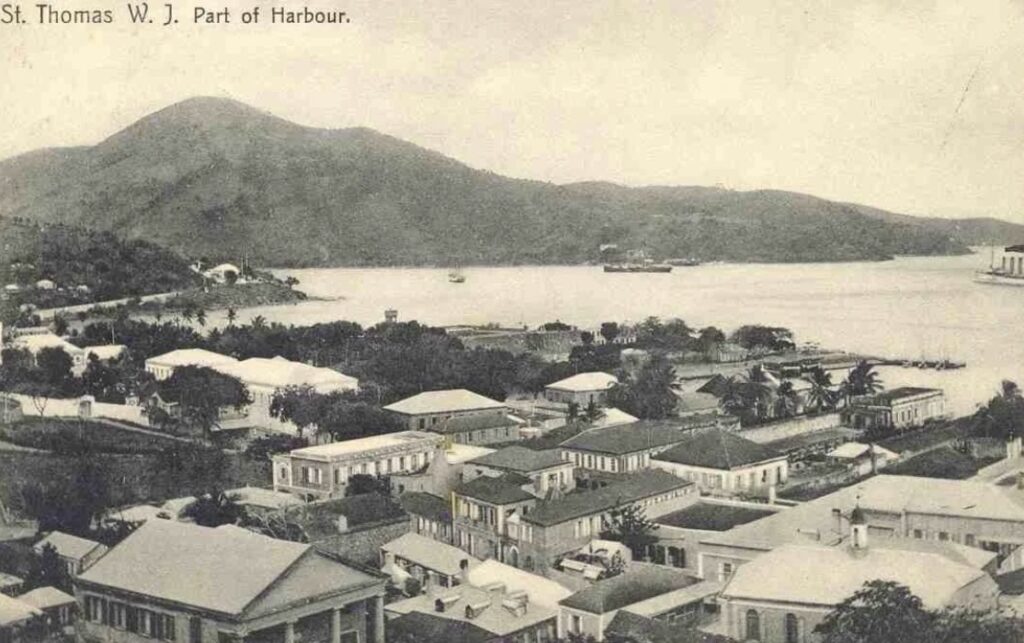
My great-grandmother and her sisters traveled from Virgin Gorda in the British Virgin Islands to what is now known as St. Thomas, then part of the Danish West Indies, at the height of the 20th century.
At the time, St. Thomas had a growing economy and many opportunities for personal advancement. When they arrived, they attained jobs as nurses and laundry women for sailors who came through the port.
Their migration happened during World War I.
What my family didn’t know at the time was that the United States would pressure Denmark into selling the Danish West Indies so the islands could serve as a strategic asset and protective outpost for the U.S. During the war, American leaders feared that Germany could seize the islands and use them as a naval base, which pushed the U.S. to complete the purchase in 1917.
Because my great-grandmother and her sisters were inhabitants of the Danish West Indies at the time of the transfer, their political status changed along with the islands themselves. Their lives—and their identities—were reshaped by geopolitics they had no control over.
Nearly a century later, I look around and can’t help but notice similarities between their circumstances and mine.
History repeats itself.
Travel for Leisure During War
Nowadays, I’ve seen dozens of personal accounts from people whose lives have been affected by war worldwide. From Venezuela to Palestine to Mexico to Iran to Sudan, conflict exists in many forms.
There is also a war on truth and reality itself, with the emergence of widely available technologies like large language models and AI.
War today has taken on formats that my family matriarchs were never exposed to. Information warfare. Psychological warfare. Digital warfare.
Sometimes I wonder: if they had access to the same tools and resources that I do today, would they have made such a risky move?
Or is my life proof that they would have?
Wrong Place, Wrong Time
As a frequent international traveler, I sometimes wonder how—or when—my life might be affected by the countless wars happening globally. Some of these conflicts are far away, while others are influenced or perpetuated by the very colonial powers tied to my own history.
Nowadays, I frequently see TikToks of travelers who suddenly find themselves stuck in an active war zone overnight.
At face value, it’s easy for me to criticize their choices.
For one, I’m behind a screen. It’s not happening to me, so it feels like it never could. Desensitization makes distance feel like protection.
And two, I sometimes wonder why anyone would travel to a place that could become dangerous so quickly.
But then I remember my great-grandmother.
She crossed water during wartime too.
And if I’m being honest, the difference between her journey and mine might entirely be perspective:
She traveled to survive.
I travel to live.
And yet, in a world shaped by conflict, the line between those two reasons may not be as clear as we think.